
Digital transformation does not start with software. A practical five-step plan for growing companies: pick one problem, fix the data, then build and scale.
Every growing company reaches the same point. The spreadsheets that worked at 20 people break at 200. Teams re-key the same data into three systems. Customers wait while staff chase information. Leaders know they need to "go digital", but the question is where to start.
Here is the short answer: digital transformation does not start with software. It starts with one business problem worth solving. This guide gives you a practical five-step plan that works for mid-size companies without enterprise budgets.
Why most transformation programmes stall
Many transformation programmes fail to deliver what they promised. The reasons are rarely technical. The common patterns are:
- Starting with tools: buying a platform first, then trying to fit the business around it.
- Trying to change everything at once: large programmes lose momentum before anyone sees a result.
- Ignoring data: new systems fed with messy data produce messy results faster.
- No owner after launch: systems go live, then slowly decay because nobody runs them.
Step 1: Start with one business problem
Pick a problem that is costly, visible and measurable. Good examples:
- "Quotes take five days to send, and we lose deals to faster competitors."
- "Month-end close takes three weeks."
- "Customer support answers the same 50 questions every day."
Write down how you measure it today. That number becomes your baseline and your proof of success.
Step 2: Map the process before buying tools

Sit with the people who do the work and draw the current process on one page: every step, hand-off, system and spreadsheet. You will usually find steps that can simply be removed. Only then decide what to automate, what to integrate and what software you actually need.
Step 3: Get your data in order
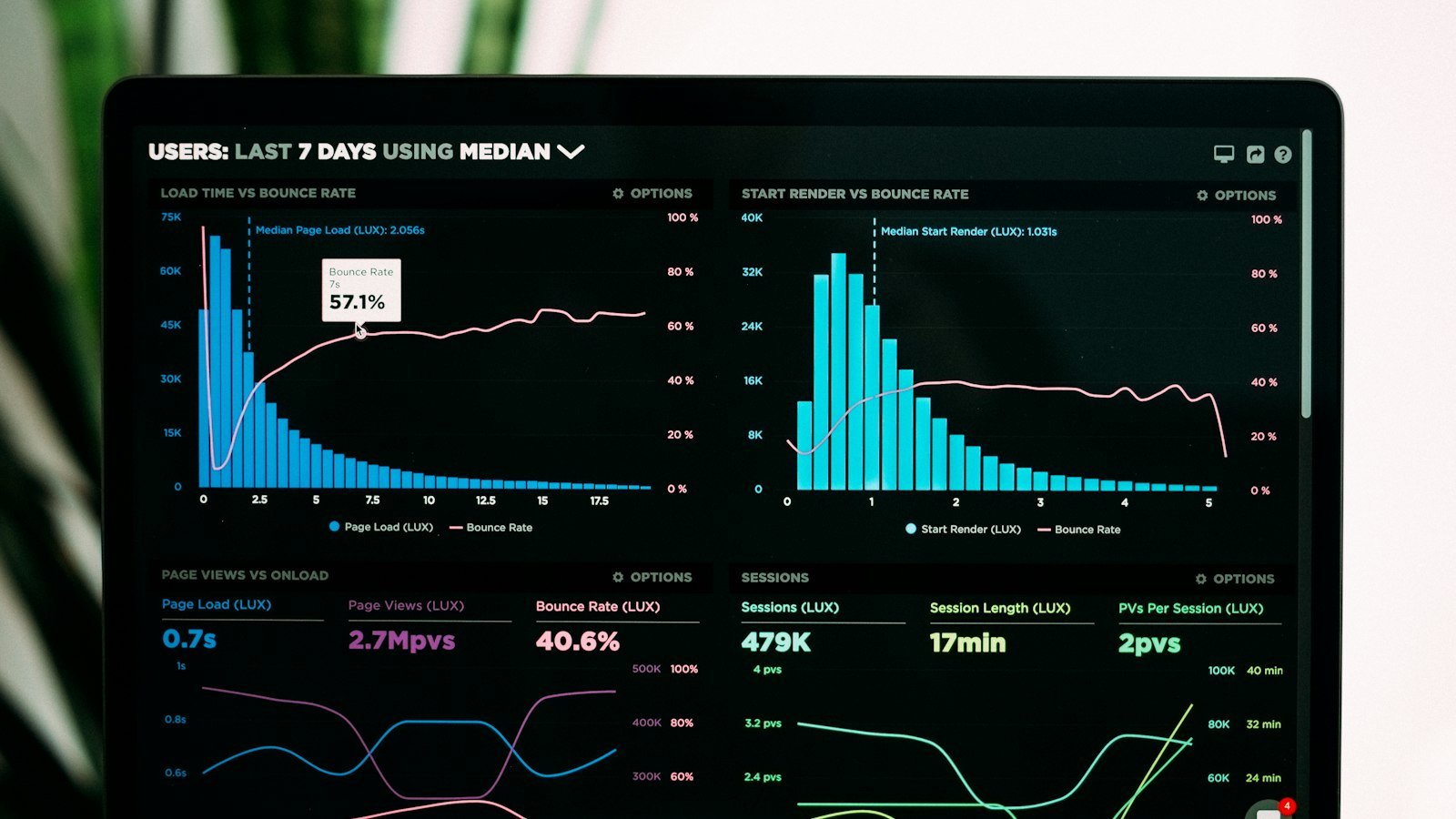
Every modern system, and every AI tool, depends on data. Before you build, agree:
- Which system is the single source of truth for customers, products and orders
- Who owns each data set and keeps it accurate
- Which duplicate or outdated records need cleaning
This is unglamorous work, but it decides whether everything after it succeeds.
Step 4: Build small, measure, then scale
Deliver a first working version in weeks, not quarters. Put it in front of real users, measure against your baseline and improve. Once one problem is solved and proven, the next project gets easier to fund and faster to deliver, because the data, integrations and team habits already exist.
A simple rhythm that works:
- Discover (1–3 weeks): process map, baseline metrics and a clear scope.
- Deliver (6–12 weeks): a working first release used by real teams.
- Optimise (ongoing): measured improvements, and the next use case chosen.
Step 5: Plan who runs it after launch

Going live is the start, not the end. Decide early who monitors the system, handles support, releases updates and keeps data clean. That might be an internal team, a managed services partner, or a mix of both. Without this, even good systems lose value within a year.
Where AI fits in
In 2026, AI is part of almost every transformation conversation, and it should be, where it adds real value. AI works best on top of clean processes and good data: drafting quotes, answering routine customer questions, forecasting demand or spotting anomalies. Follow steps 1 to 3 first and AI becomes a fast, low-risk addition rather than an expensive experiment.
A simple first move
This week, ask each department head one question: "Which task wastes the most hours in your team every month?" Rank the answers by cost and ease. The top one is your first transformation project.
Ready to start? Oryvan Global helps growing companies move from first idea to working system with one connected process: discover, deliver, optimise. Start a conversation or explore our services.