
Buyers now get answers from AI, not search results. Six practical steps B2B brands can take in 2026 to get cited by ChatGPT, Gemini and Google AI Overviews.
Search is changing faster than at any point in the last twenty years. Buyers now type a question into Google and read an AI Overview, or they ask ChatGPT, Claude or Gemini directly. Many never click a single result. For B2B brands that rely on organic traffic for leads, this matters. The good news: the brands that adapt early are being cited in those AI answers, and a citation from an AI assistant carries real trust.
This playbook explains what has changed and the practical steps your team can take in 2026 to stay visible.
What changed: from ten blue links to AI answers
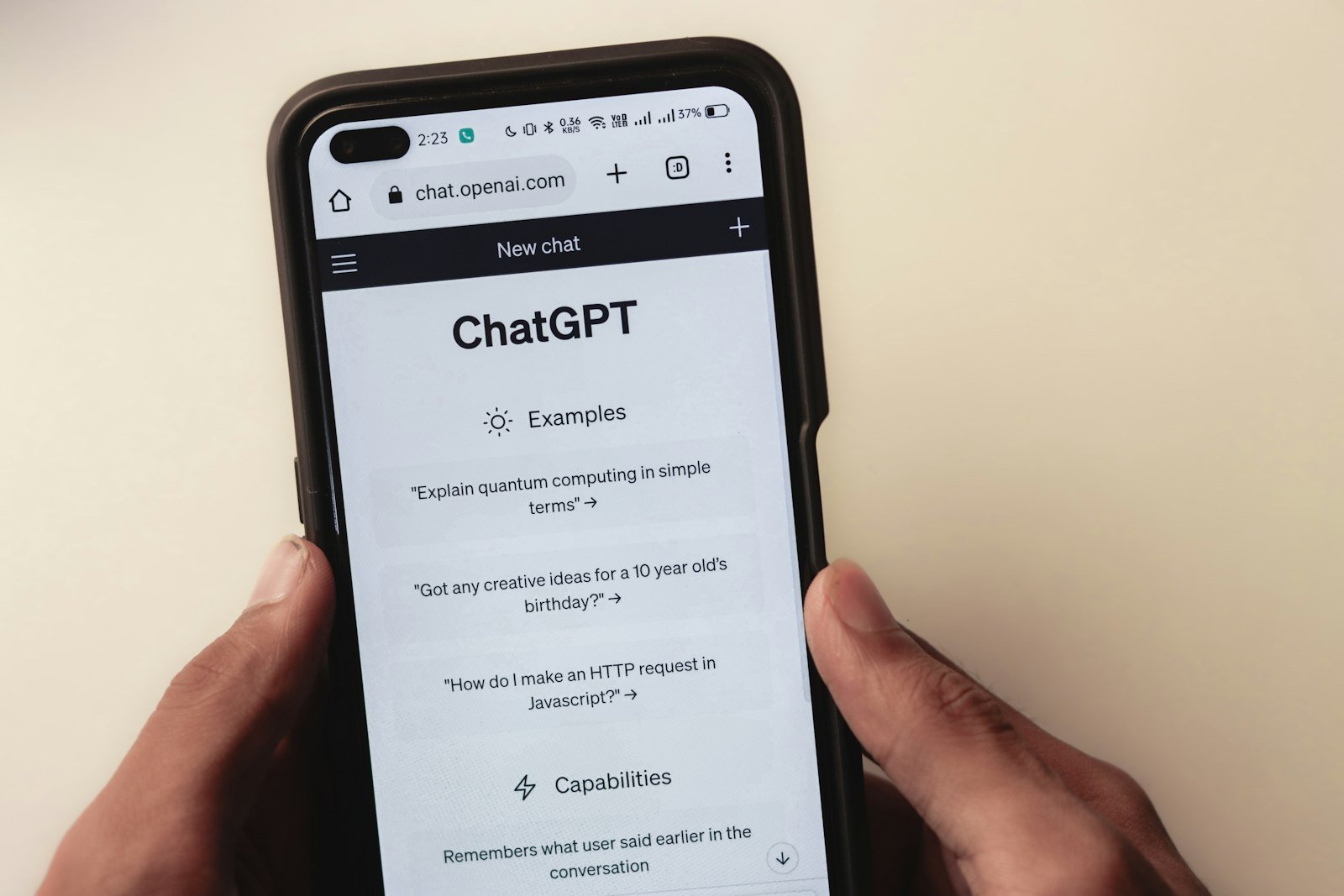
Traditional SEO was about ranking a page in the top ten results. AI search works differently. The assistant reads many sources, writes a combined answer and cites a handful of them. Your goal shifts from "rank first" to "be one of the sources the AI trusts and quotes".
That shift is often called generative engine optimisation (GEO) or AI search optimisation. It does not replace SEO. Pages that rank well are still the main pool AI assistants draw from. But it changes what a good page looks like.
How AI assistants choose which sources to cite
No assistant publishes its exact rules, but the patterns are consistent. AI answers tend to cite pages that:
- Answer the question directly. A clear, two-to-three sentence answer near the top of the page is easy to extract.
- Are specific. Numbers, named steps, comparisons and examples beat general statements.
- Show expertise. Named authors, real project experience and original data signal credibility.
- Are well structured. Clear headings, lists and tables help the model find the right passage.
- Are mentioned elsewhere. Brands discussed on LinkedIn, industry sites and forums are recognised as entities.
Six practical moves for B2B websites
1. Write answer-first content
Open every post with a short, direct answer to the main question, then go deeper. If a buyer asks "how much does a RAG chatbot cost?", your first paragraph should give a range, not a history of chatbots.
2. Build topic clusters, not one-off posts
Pick the topics you want to own, such as AI agents, CRM implementation or mobile app development, and publish a pillar page plus several supporting posts that link to each other. Depth on a topic is a strong trust signal for both Google and AI assistants.
3. Add original insight
AI can summarise what everyone else says. It cannot invent your project lessons, client results or internal benchmarks. One real example from your delivery work is worth more than a page of generic advice.
4. Use structured data
Add schema markup for articles, FAQs, organisation and services. It helps search engines understand who you are and what each page covers.
5. Show who wrote it
Add author names, roles and short bios. "Written by our Head of Architecture" carries more weight than "Admin".
6. Earn mentions off your site
Share insights on LinkedIn, contribute to industry publications and get listed on review platforms. AI assistants learn about brands from the wider web, not just your own pages.
What to measure now that clicks are falling

Organic sessions alone no longer tell the full story. Track these as well:
- Impressions and average position in Google Search Console
- Branded search volume, which rises when AI answers mention you
- Referral traffic from AI tools such as chatgpt.com and perplexity.ai
- Leads where the prospect says they "found you through an AI tool" (add this option to your contact form)
Where paid search still fits
For high-intent searches such as "hire AI developers" or "Salesforce partner", paid ads still capture buyers who are ready to talk. The strongest approach combines both, which we cover in our post on why SEO and paid ads work better together.
Want to stay visible as search changes? Oryvan Global's Digital Marketing team plans SEO and content around leads and revenue, not vanity metrics. Start a conversation.